


Ram Soni – Sanjhi Papercutting

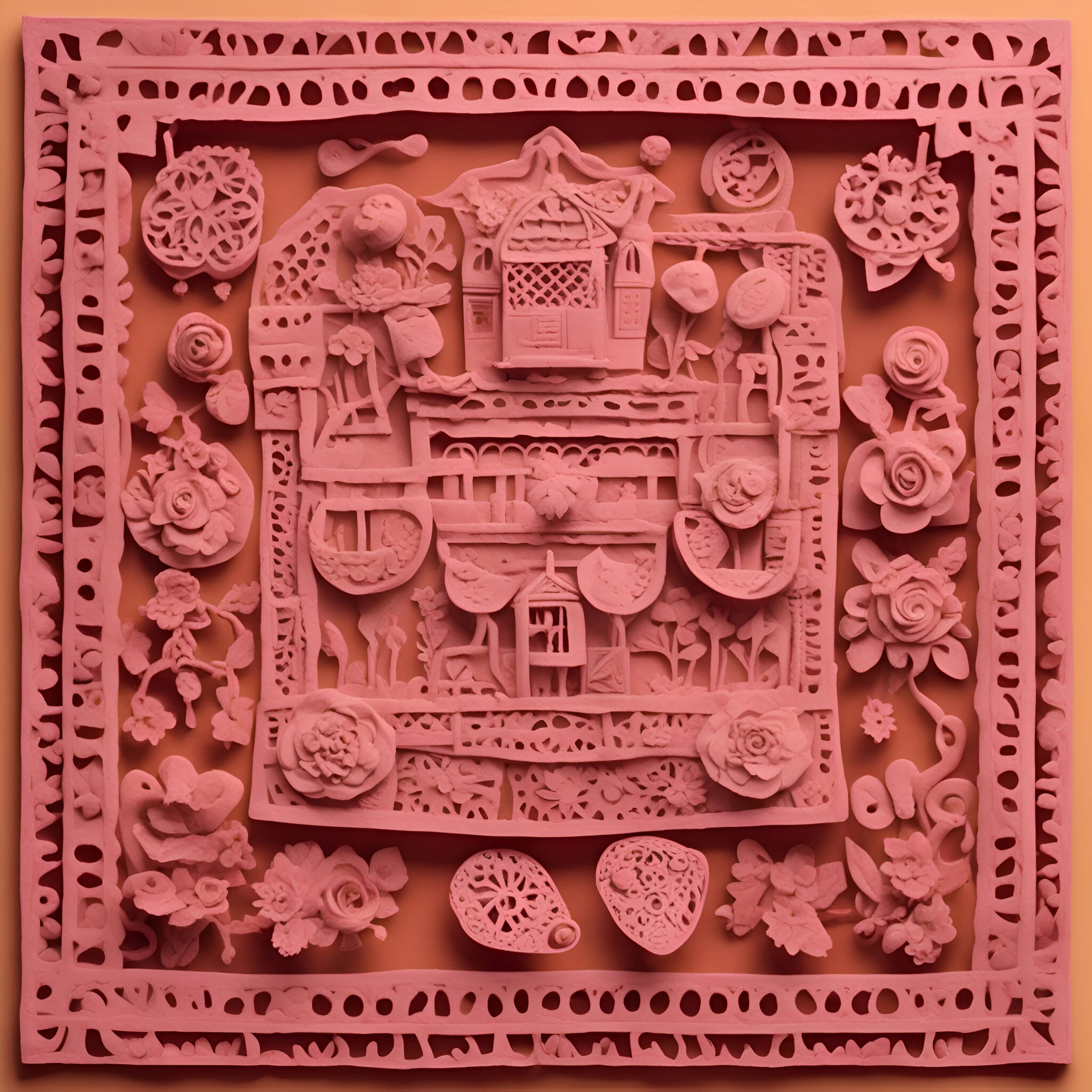
Ram Soni is a master of Sanjhi papercuts, an art form his family has preserved for over 350 years. Originally from Mathura and now residing in Alwar, Rajasthan, Ram and his four brothers are deeply rooted in this craft. He received the National Award in 2002 and has been associated with the Delhi Crafts Council since 2008, where he has contributed to exclusive collections.
Ram’s work is known for blending traditional techniques with modern designs, often collaborating with designers and architects. He regularly conducts workshops and participates in exhibitions, both nationally and internationally, including in Singapore, China, and Switzerland.
His accolades include the Kala Mani Award (Surajkund), the UNESCO Award (2012), and various other honors. Ram is passionate about pushing the boundaries of his craft, ensuring that the art of Sanjhi papercutting continues to thrive and evolve.
Awards & Accolades
Ram Soni’s exceptional talent and dedication to the art of Sanjhi papercutting have earned him numerous prestigious awards and accolades throughout his career. Some of the most notable include:
- National Award (2002): Ram Soni was honored with this prestigious award, recognizing his mastery and contributions to the traditional craft of Sanjhi papercutting.
- Kala Mani Award (Surajkund, Haryana): Ram Soni received this award multiple times (2001, 2007, 2009, 2015-2017) for his outstanding work and continued excellence in his craft.
- Shilp Shiromani Award (New Delhi, 2008): This award highlights Ram’s significant contributions to Indian handicrafts, celebrating his skill and artistry.
- Shilp Alankrit Award (Jaipur, 2007): Another prestigious recognition for his work, showcasing his innovative approach and dedication to preserving traditional art forms.
- UNESCO Award (2012): This international accolade underscores Ram Soni’s impact on the global stage, acknowledging his role in keeping the ancient art of Sanjhi papercutting alive and relevant.
- Surat Samman (Gujarat, 2015): Ram Soni was honored with this award for his exceptional craftsmanship and his efforts to promote Indian handicrafts both nationally and internationally.
Sanjhi Papercuts: Reviving Tradition with a Modern Touch by Ram Soni
- Sanjhi papercutting is a traditional art form that originated in the temples of Mathura, Uttar Pradesh, centuries ago. This intricate craft involves creating detailed stencils by carefully cutting patterns into paper, which were historically used to create decorative designs on temple floors during religious festivals, particularly those dedicated to Lord Krishna. The art form is known for its complexity, requiring exceptional precision and a deep understanding of design and symmetry.
- Ram Soni, a master artisan from Mathura, now based in Alwar, Rajasthan, comes from a family that has practiced Sanjhi papercutting for over 350 years. At a time when this ancient art was at risk of being forgotten, Ram Soni has been instrumental in its revival and evolution. He has not only preserved the traditional techniques passed down through generations but has also expanded the scope of Sanjhi papercutting by incorporating contemporary themes and applications.
- Ram Soni’s work is distinguished by his ability to blend the old with the new. He has taken Sanjhi papercutting beyond its traditional religious context, applying it to modern mediums such as home décor, fashion, and fine art. His collaborations with designers, architects, and institutions like the Delhi Crafts Council have introduced Sanjhi to a broader, global audience, transforming it into a versatile art form with modern relevance.
- In addition to his creative innovations, Ram is deeply committed to passing on his knowledge. Through workshops and exhibitions across India and internationally, he has inspired and trained a new generation of artists, ensuring that the art of Sanjhi papercutting continues to thrive. Ram Soni’s contributions have not only preserved this intricate craft but have also elevated it, ensuring its place in the contemporary art world.