


Art Forms

History of Indian Handicraft
The history of Indian handicrafts dates back thousands of years, tracing its roots to the Indus Valley Civilization, one of the world's oldest urban civilizations. Archaeological excavations have unearthed intricate pottery, jewelry, and metal artifacts that reveal the craftsmanship of ancient Indian artisans.
Over the centuries, the art evolved, influenced by dynasties like the Mauryas, Guptas, Mughals, and Rajputs. Each ruler brought unique elements to Indian art, from Mughal-inspired intricate carvings to Rajputana’s vibrant textiles and paintings.
- Ancient Period: Stone carvings, metalwork, and pottery flourished during the Mauryan era. Buddhist stupas and cave paintings, like those in Ajanta and Ellora, exemplify early craftsmanship.
- Medieval Period: The Mughal empire (1526–1857) saw the rise of decorative arts such as miniature paintings, inlay work (as seen in the Taj Mahal), and carpet weaving.
- Modern Era: Post-independence, there has been a revival of traditional crafts with government initiatives and global interest in sustainable, handmade products.
What is Handicraft?
Something you create with your own hands.
Craft is the process of procession materials with the aim of creating something valuable.
Handicraft is the process of processing materials by hand with hand tools. The results can be both useful and decorative. The materials used in the product are natural, industrially processed, or recycled materials. Depending on the product's model, it may be old, new, conventional, or fashionable.
The practice of handicrafts helps to transfer and preserve traditions from one generation to the next. Artists transfer ideas, forms, materials, and work methods from their cultural heritage into their work, much like their values, philosophy of life, fashion, and self-image. Craftspeople, commonly known as artisans, possess technical knowledge of materials and work methods.
Various Types of Indian Crafts
- Antiques
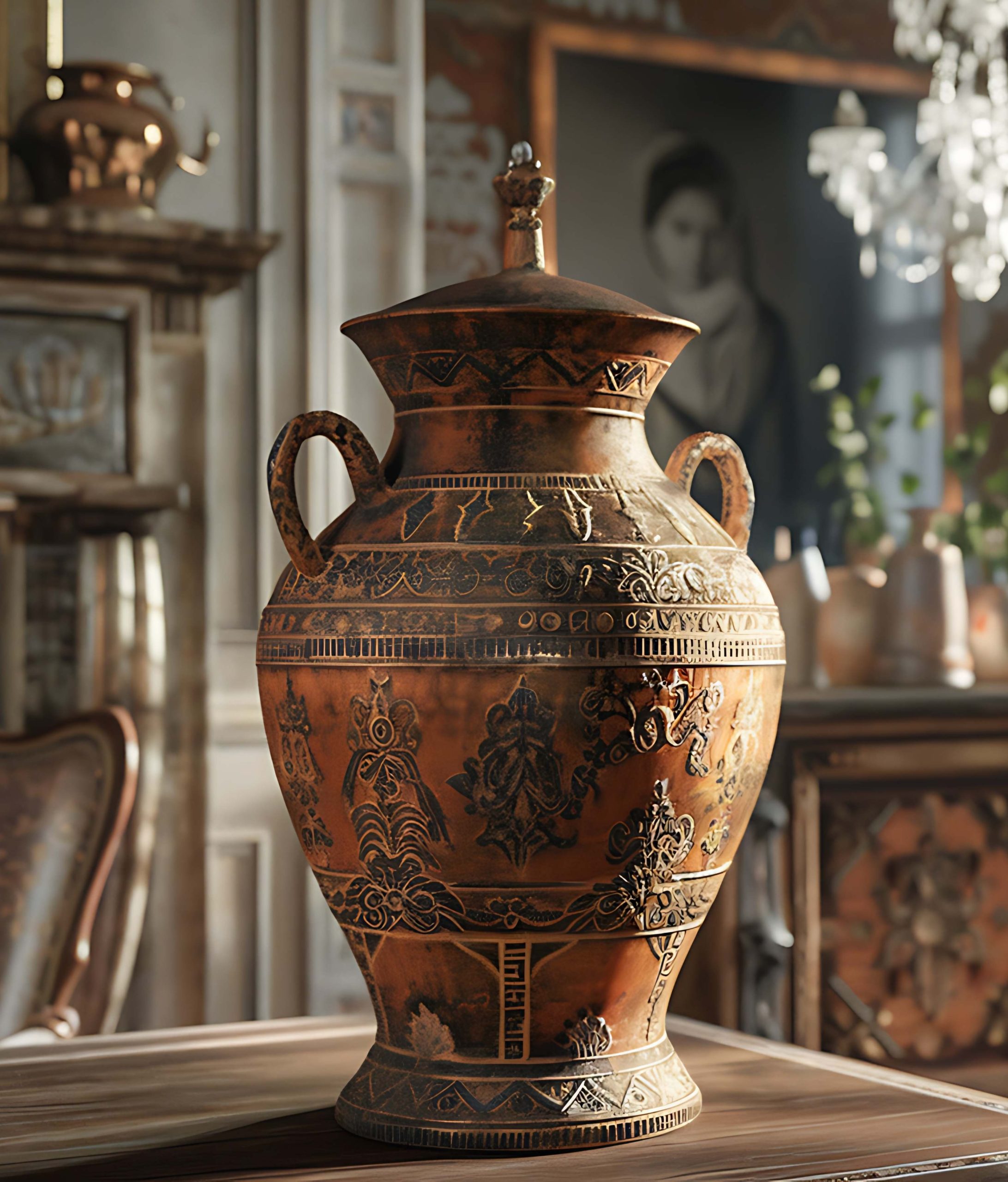
Antique handicrafts in India consist of both metal and wooden items with unique, detailed, and exclusive designs. The term defines any object that has a connection to perceive certain value due to its aesthetic or historical significance that might be of utility or just a showpiece. So, antique handicrafts in India include metallic, wooden, fabric, glass, or ceramics proposing a historical significance. In handcrafting these antiques, certain ancient or medieval relics are collected and these are embedded into or with designs to represent the historic or pre-historic data, heritage, culture, and dynastic roots from different parts of the Indian subcontinent. The range of these antique handicrafts varies both in size and substance.
- Baskets
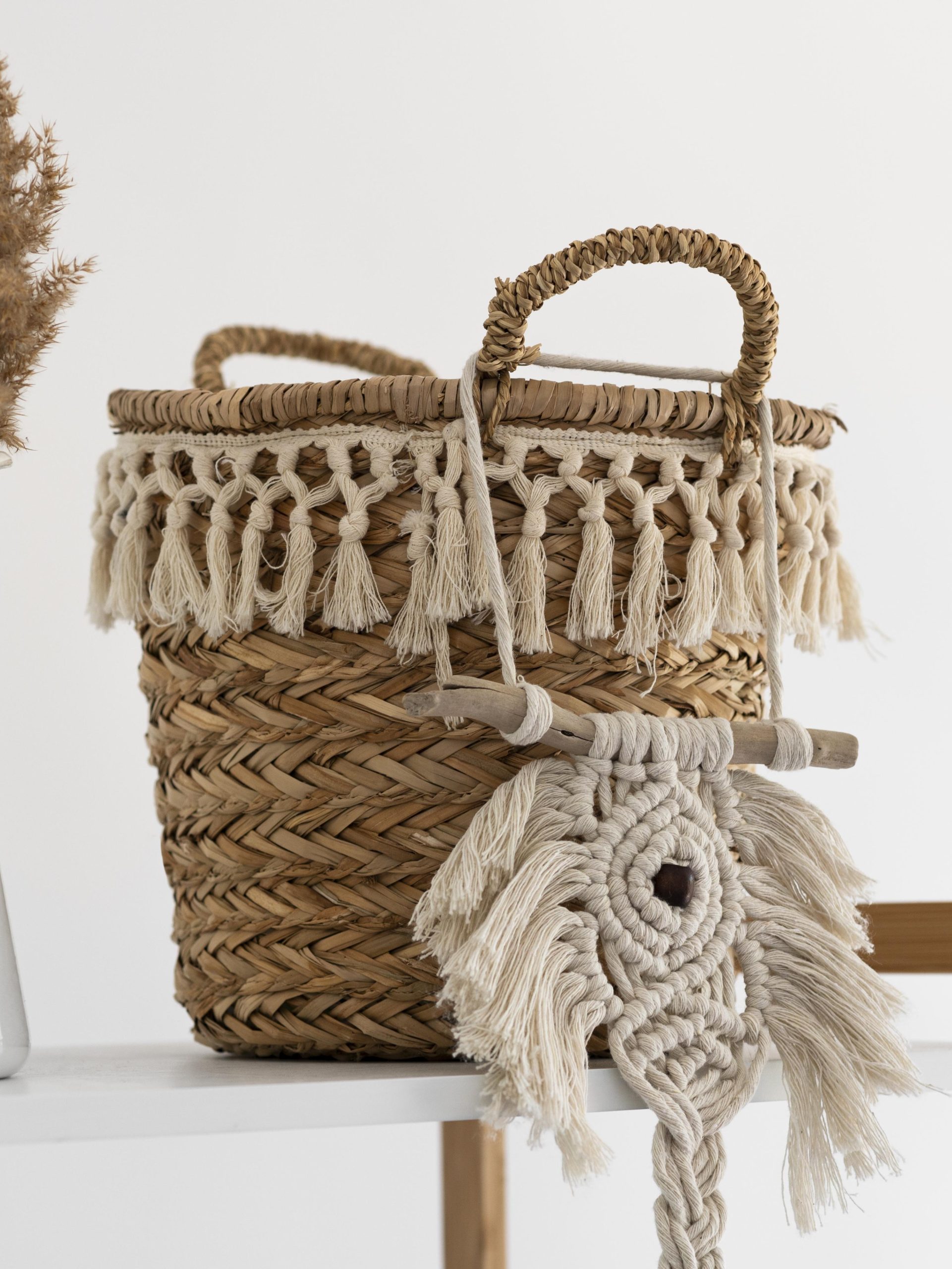
These are intricate and delicate forms that require a certain amount of skills and acute observation with patience to bring out beautiful creatives. Each culture from each nook and corner of India brings a different style and substance to the table. Some cultures use logs, some use bark, reeds, and rushes, jute, and others use dried-up leaves to make watertight bowls, baskets, and others with a vibrant decorative effect. Certain baskets’ material is also based on the trees that grow in different seasons, a tree due to monsoon shift will dry up, and that material brings out a unique design and structure.
3. Ceramics
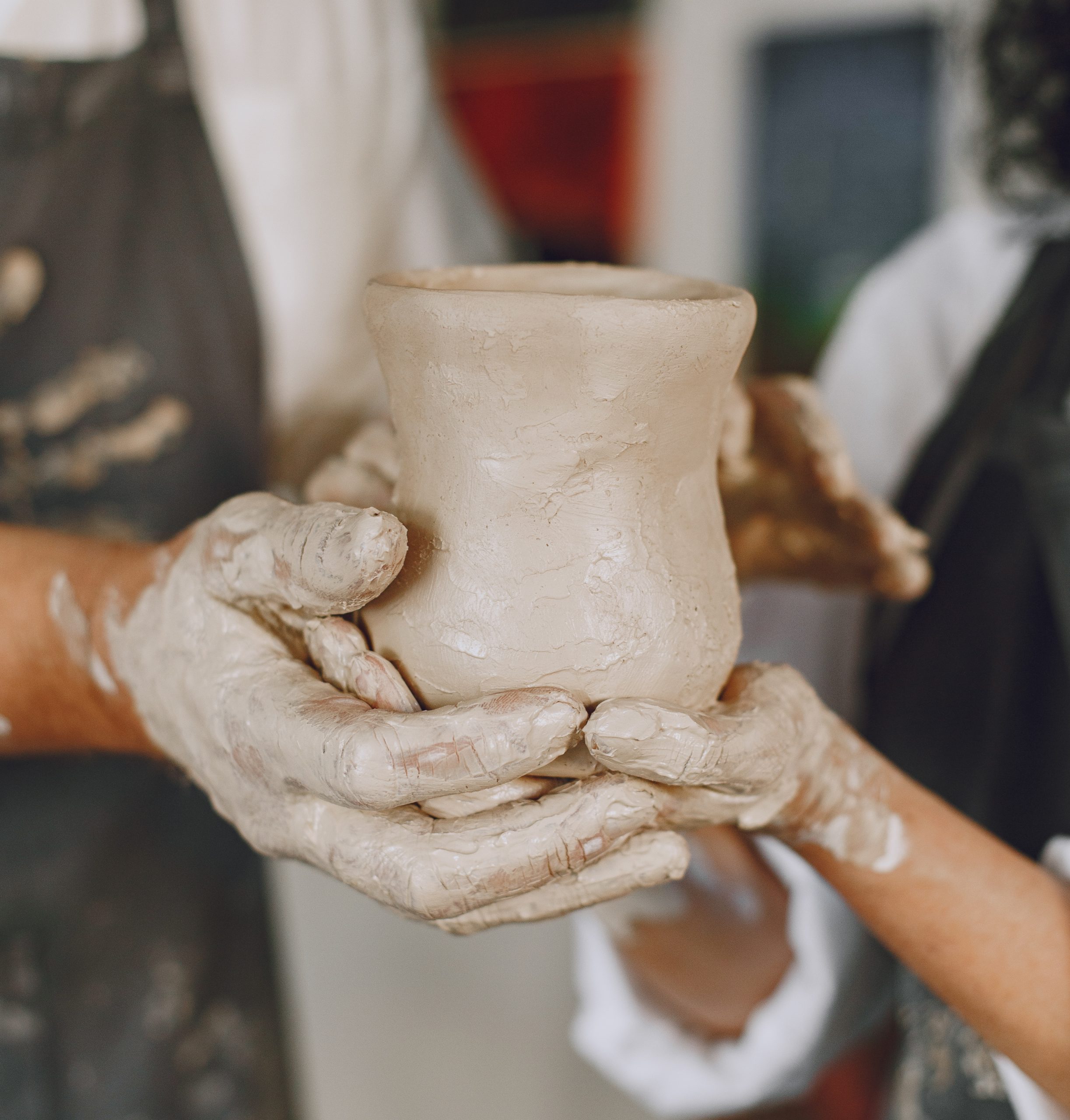
Any object that has a utilitarian and purposeful value made of non-metallic materials such as clay is called ‘Ceramics’. Many small utility products form part of ceramics like coffee mugs, cups, saucers, and many others, mostly found amongst kitchenware or cutlery. The clay with certain minerals is well mixed up and heated to a particular point and then taken out to mold in the hands of master skill work and later heated up at high temperature to bring them to life. All these are anti-corrosive and resistant enough and come mostly with a design and decoration that even has some story-telling aspects to it.
- Embroidery
This is a handicraft of weaving tiny mirrors, and beads of different forms and colors through the cloth, bags, and decorative home clothes. These are mostly crafted on the finished cloth, some with bare hands and some keep the cloth between tight frames to weave. Each culture from India has different forms of minute objects to be woven along the cloth. The culture of these beads and glitters dates back to the ancient culture that is mostly tribal sects. Thanks to the continuance of the craft and perfecting the mastery, we can find that in any modern dressing materials making it elegant and contemporary in style.
- Block Printing
This handicraft is also called ‘Hand blocked’ or ‘Hand block printing’ which brings life to the plain cloth of different colored clothes. This is a handmade art with techniques of pressing or stamping on plain fabrics with carved wooden blocks. Even the wooden blocks used for impressing the designs are handmade. These woods are cut, finely grated, and polished to remove excessive or unwanted pulp, and the design molds are smoothly carved. These carved wooden stamps of varied designs are dipped into different colored inks and luminous vegetable dyes by the master artisans with great patience. Decorative and Screen printing with little differences fall under this category.
- Glass craft
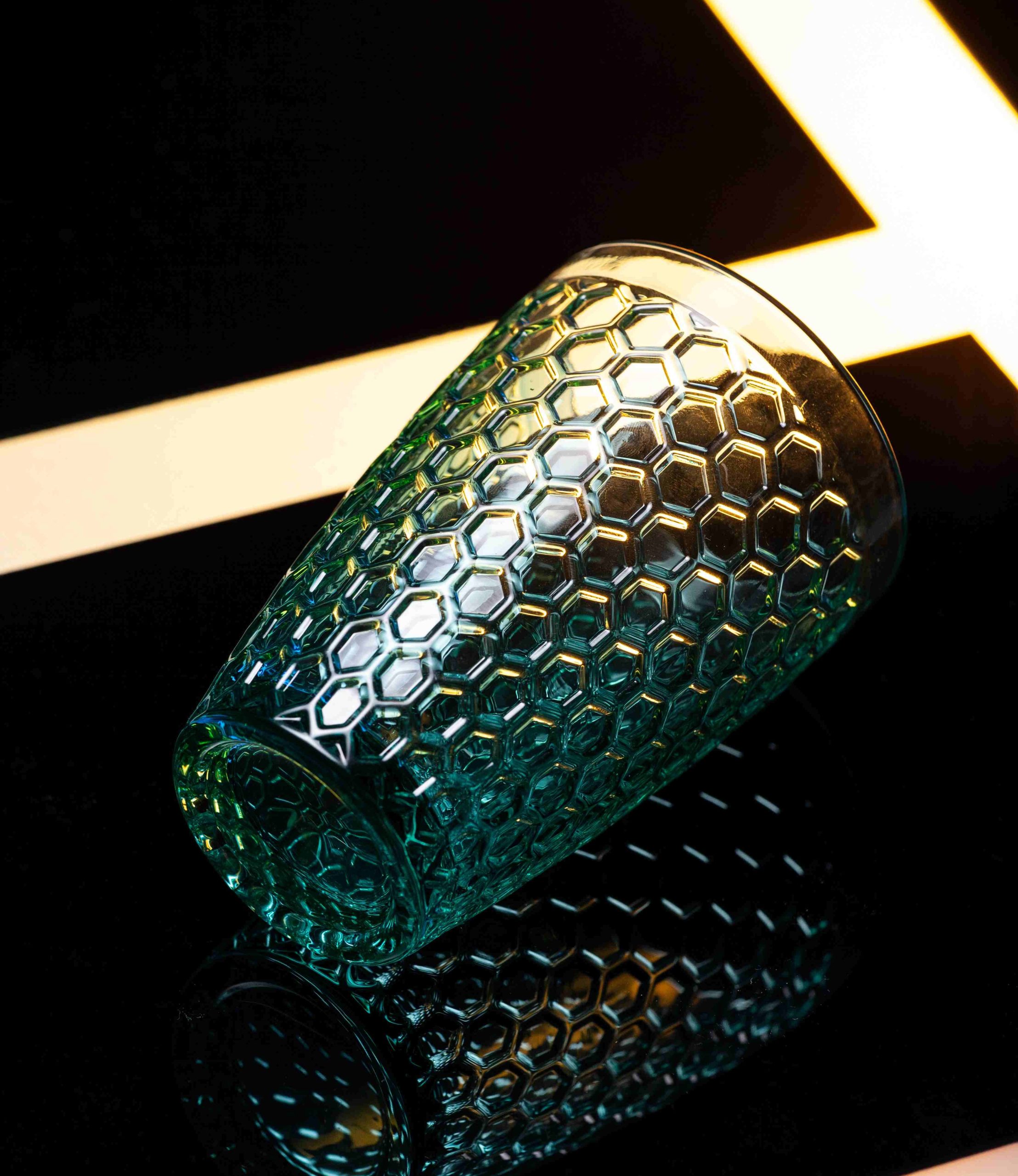
This handicraft includes many varieties such as vases, bottles, tumblers, decanters, jewelry, and glass windows. A fine mix of sand, soda ash, and limestone or sand of different quality like silica or quartz is blended and heated at a temperature, and blowing air through a rare form of pipe begets glass of different models. Different models of glass come with distinct mediums of reflection and refraction of history, heritage, and culture by tainting them with rich colors and designs and a metal finish. These handmade glasses can be a decor and also utility items.
- Pottery
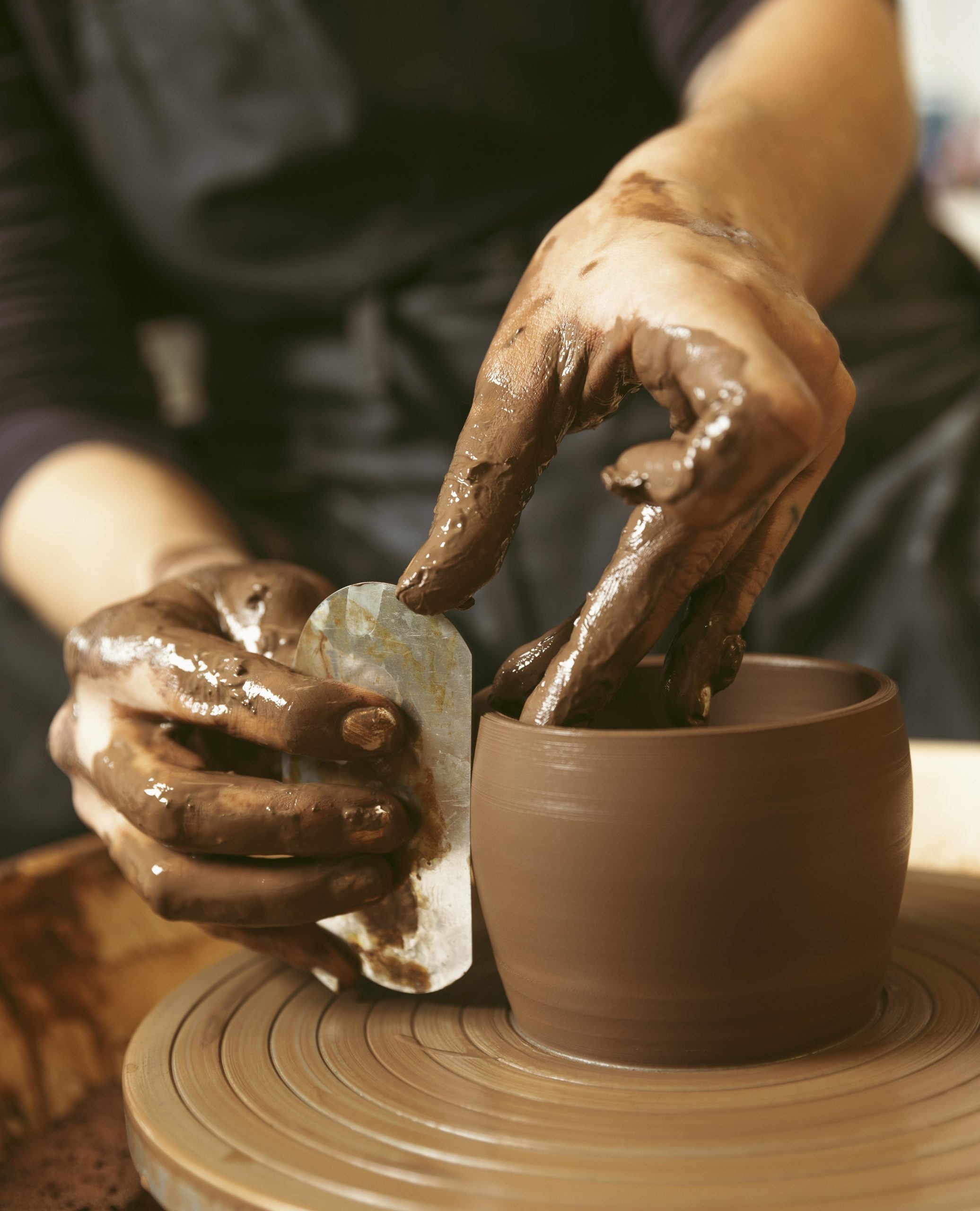
One of the oldest forms of handicrafts of the Indian sub-continent is pottery, made of clay with a mix of water and spun on a wheel that requires a hand of sheer dedication and patience, later heated for resistance. The process of pottery is the most fun and intriguing to watch as the crafting hands and the clay look like they dance in perfect sync. Pottery once was a necessity for ancient generations to store and eat food, but later, when modernization posed an evolutionary threat to its existence, pottery followed and started imbibing some artistic amends, and so the spinning tale continues.
- Puppets
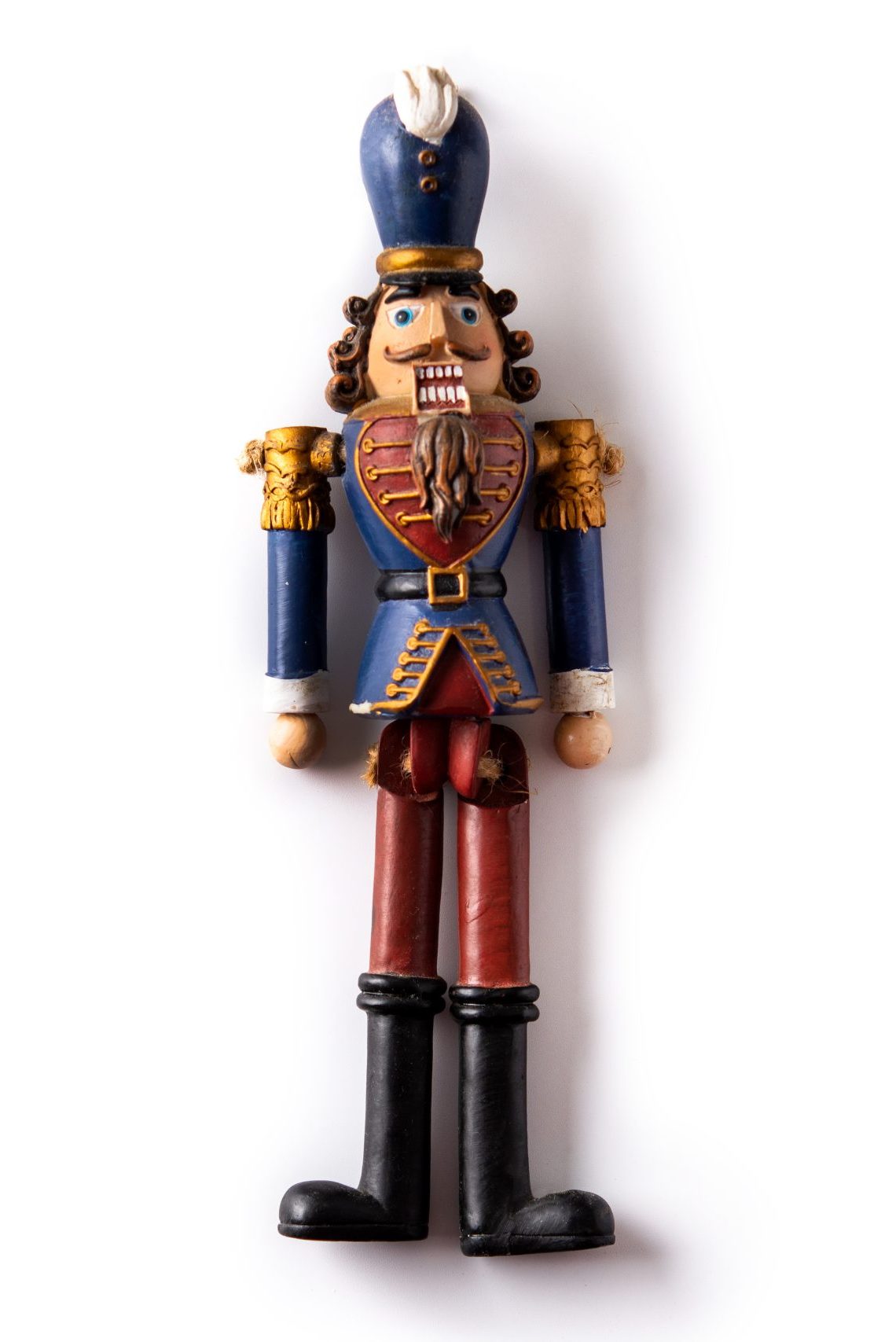
These handmade puppets are of different types, popular of them are 2 types, one is for decor and the other used for the puppetry profession. These are made of different solid items but mostly wood material of different shapes and then later joining them with peculiar glue. These are popular art forms of storytelling in many traditions inculcating values and education in kids and many. Some puppets are of finely sewn cloth finished and some are painted with, both bringing life. Puppets from different regions come in different formats of their own culture and stories which has great export value.
- Stone Crafts
Till now many excavation stories and pieces of evidence erected out of the earth date back to the ancient era when the stone crafts reveled at its peak. Crafting the stones for usage comes from the ancient pre-historic men for hunting food by making weapons out of stones. In parallel to the evolution of humans evolved the art of stone crafts. A fine rock or a stone is selected, cut, and carved with a chisel and hammer, and later polished. Many idols, modern rock architecture, and tiny stone decor are precisely carved and are also hued with colors to bring about a variation within the craft.
- Paper mache art
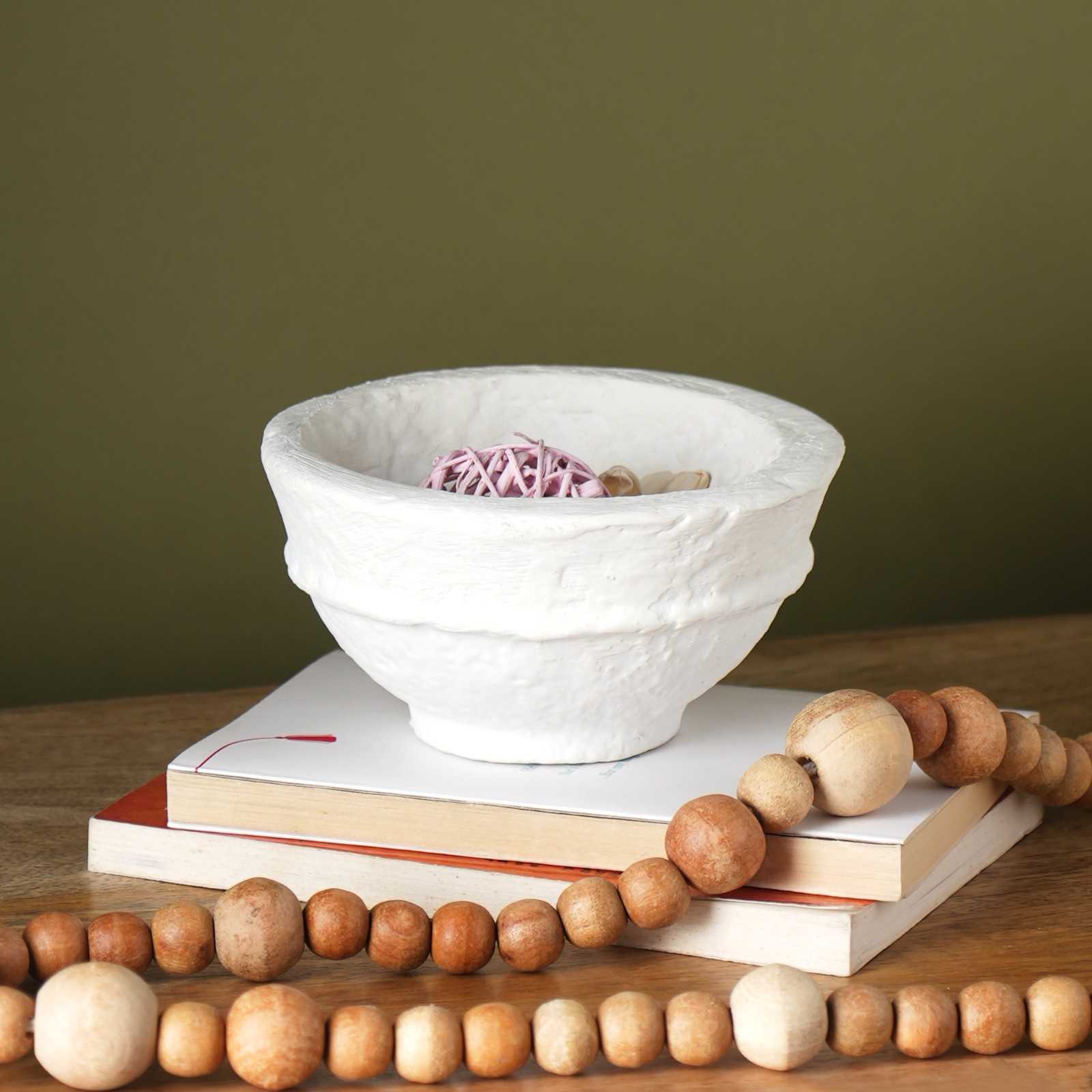
One of the rare art that has been passed from generation to generation for centuries is delicate and tender to craft. This flourishing art form has been brought to the attention of creative admirers and enthusiasts all over the world as decor and figurines. The process of crafting includes finding paper pulp mixed with a strong mache glue mixture such as starch or wallpaper paste and colors as a final touch to make it more vibrant and colorful and left in the sun. This also includes making bangleware. Each region comes with different stories yet intrinsically stays true to its foundations of the origin of this art.
- Wooden Crafts
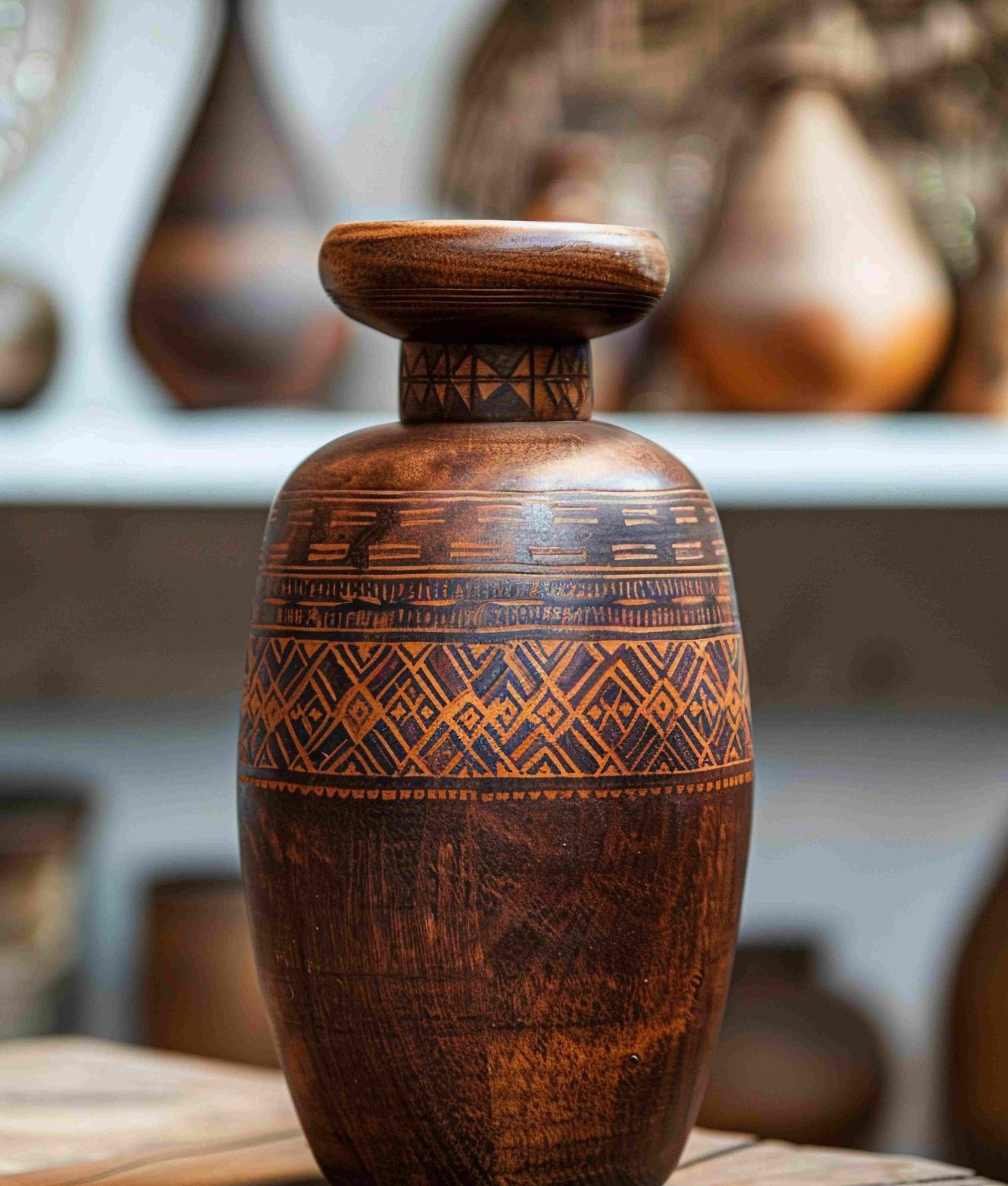
These handicrafts come in different styles and formats carved out of different woods and logs giving them a distinct look based on the design and use. Apart from the wood used for making puppets and others, this craft is the most popular one to make doors and windows based on art from different origins. Wooden screens of interwoven wooden laths and canes into geometric patterns, multiple pieces and beads to craft decorative ceilings, blending with different cultures, religious idols, and so many are tweaked within this crafting making this a popular and most sought-after in the worlds of architecture. Bamboo crafts also form part of this
Conclusion: A Legacy Worth Preserving
Indian handicrafts are more than just decorative or utilitarian objects; they are symbols of India’s vibrant history, culture, and heritage. Every artifact carries the legacy of generations of artisans who have dedicated their lives to preserving this art form.
As consumers, we play an essential role in keeping this legacy alive. By choosing handcrafted products, we not only embrace the beauty of tradition but also support the artisans who keep it alive. Let’s celebrate Indian handicrafts, a treasure trove of artistry and tradition, and ensure their journey continues for future generations.